Outer Banks Facts That Will Truly Surprise You
Did you know some of the most fascinating outer banks facts are hiding in plain sight? Stretching along North Carolina’s coast, the Outer Banks (OBX) are more than just scenic beaches—they’re a living museum of history, geology, and adventure. From record-breaking landmarks to natural wonders and mystery-filled coastlines, exploring the Outer Banks with this knowledge can turn a vacation into a discovery experience.
Whether you’re traveling solo, on a family journey, or in search of outdoor thrills, learning more about these barrier islands offers a deeper appreciation of everything OBX has to offer.
Cape Hatteras: Home to the World’s Tallest Brick Lighthouse
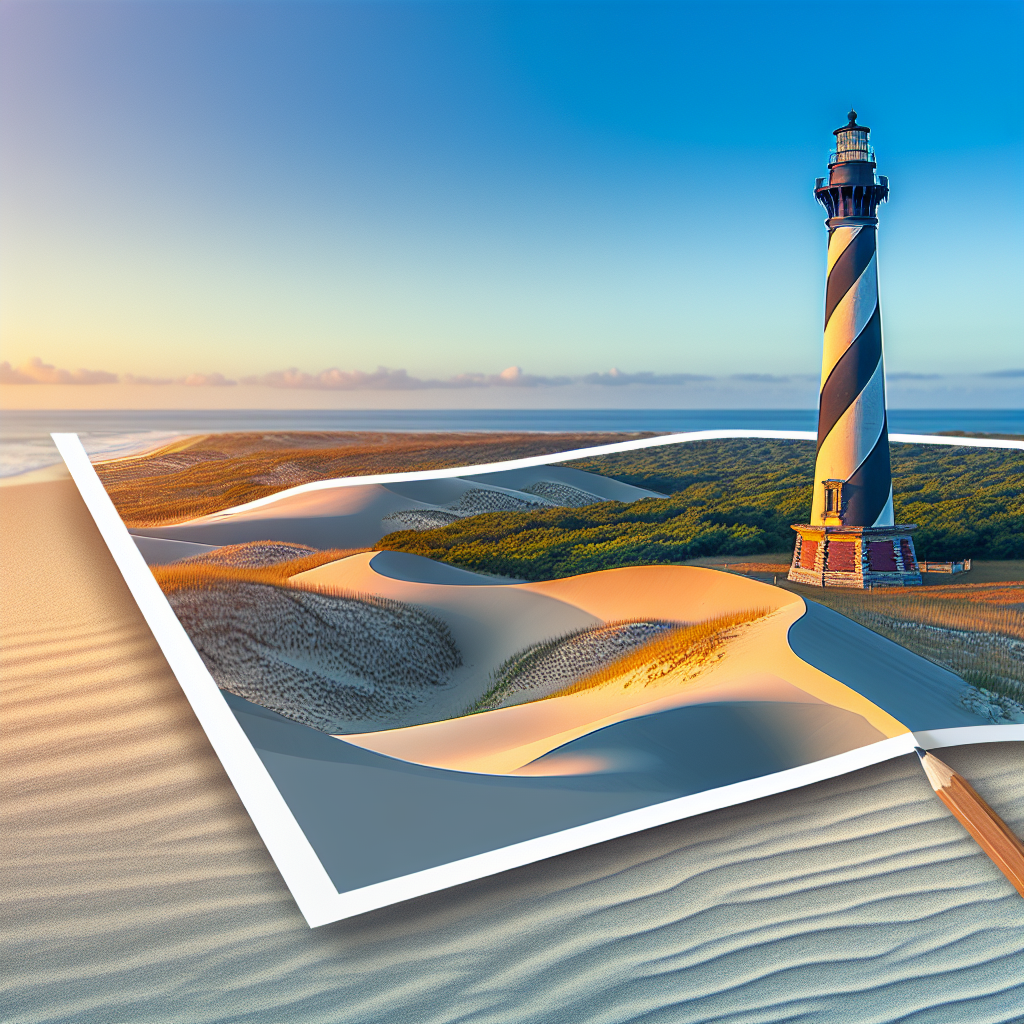
One of the most astonishing outer banks facts is the presence of Cape Hatteras Lighthouse in Buxton—the tallest brick lighthouse in the world. Towering at 210 feet, this black-and-white-striped structure has guided mariners since 1870. After climbing its 257 stairs, visitors are rewarded with sweeping Atlantic views.
In 1999, the entire lighthouse was relocated inland using hydraulic tracks to escape encroaching shorelines, demonstrating the Outer Banks’ shifting nature firsthand.
Pro tip: Plan your lighthouse tour early in the day to beat the heat and crowds. Full moon climbs in summer offer a magical nighttime adventure. Get your tickets in advance through the National Park Service website.
Aviation Took Flight in the Outer Banks
It’s impossible to talk about outer banks facts without highlighting Kill Devil Hills near Kitty Hawk—where the Wright brothers made history. On December 17, 1903, they completed the first powered flight, forever changing transportation.
The Wright Brothers National Memorial commemorates this milestone with preserved buildings, flight markers, and interactive exhibits. It’s a must-see stop for aviation lovers and curious minds of all ages.
Visitor tip: Walk the actual flight path markers for a unique sense of scale. The on-site exhibits and park rangers make the story come alive in unforgettable ways.
Shipwreck Diving: Discovering the Graveyard of the Atlantic
One of the more thrilling outer banks facts involves the more than 3,000 shipwrecks that litter this coastline—earning it the nickname “The Graveyard of the Atlantic.” The region’s shifting sandbars and turbulent weather played a major role.
Some wrecks are even snorkel-accessible from shore, offering unique underwater experiences:
- Coquina Beach: Find the remains of the American tanker ‘Pioneer’ just 75 yards offshore—ideal for beginners and families.
- Rodanthe Beach: Reveals remnants during low tide or following storms.
- Graveyard of the Atlantic Museum (Hatteras): Learn the full story with artifacts and multimedia exhibits.
Safety tip: Join expert-led tours from trusted companies like Roanoke Island Outfitters or Outer Banks Diving, who offer beginner-friendly excursions perfect for kids and adults alike.
The Outer Banks Islands Are Always on the Move
Few outer banks facts are as mind-blowing as this: the OBX isn’t static land. Instead, these barrier islands are shifting sand formations continuously moving westward. Movement is driven by wind, storms, and ocean currents. Hatteras Island alone shifts several feet each year.
This dynamic geography affects roads, buildings, and communities. In 2011, Hurricane Irene created a new inlet through Pea Island, cutting off Highway 12 and rerouting travel for weeks.
Traveler reminder: Always check for active road, bridge, or ferry updates from the North Carolina Department of Transportation before driving long distances on the OBX.
Meet the Wild Spanish Mustangs of Corolla
Not all outer banks facts involve history—some roam freely along the sand. The wild Spanish Mustangs of Corolla are descendants of horses from 16th-century shipwrecks. Today, they graze among the dunes in northern Currituck County, particularly near Carova Beach where roads turn to sand.
How to experience them: Book a guided trip with Corolla Wild Horse Tours or Bob’s Wild Horse Safari to observe the animals respectfully from a legal distance of 50 feet. Adventurous travelers can drive their own 4WD vehicle, but permits and strict guidelines apply.
These tours are wildly popular from June through August, so opt for spring or fall if you want a quieter, cooler encounter.
Pirate Lore and Ghost Legends Still Haunt the OBX
Among the Outer Banks’ most intriguing tales are stories of pirates and specters. Perhaps the most famous is Blackbeard—Edward Teach—who used Ocracoke Island as a hideout until his death in 1718. Today, his legend lives on in guided tours and museum exhibits.
- Teach’s Hole Blackbeard Exhibit (Ocracoke): Features pirate lore, historic artifacts, and kid-friendly displays.
- Ghost Tours of Manteo: Evening walks with guides in costume and lantern light—just the right amount of spooky.
- Portsmouth Island: Accessible only by boat, this ghost town is frozen in time and full of photographic charm.
These haunted stories add depth and mystery to any OBX itinerary and appeal to visitors of all ages.
A Water Lover’s Paradise for Kayaking & Paddleboarding
Some outer banks facts are made for paddling purists. OBX boasts interconnected waterways crisscrossing estuaries, sound waters, and meandering creeks. Each waterway type offers a distinct paddling environment full of wildlife and stunning views.
Where to go:
- Alligator River National Wildlife Refuge: Explore black bear habitat and bird species in pristine surroundings.
- Kitty Hawk Woods Coastal Reserve: Safe and scenic, this is a great option for first-time kayakers.
- Pea Island National Wildlife Refuge: A dream for birdwatchers—spot egrets, herons, and ospreys up close.
Rent equipment from Kitty Hawk Kites or Ocean Atlantic Rentals, or enhance your outing with an eco-tour.
Stargazing Under Some of the East Coast’s Darkest Skies
One of the most magical outer banks facts is that the OBX offers some of the darkest skies east of the Mississippi. With minimal light pollution in areas like Cape Hatteras National Seashore and Ocracoke Island, it’s the perfect place for stargazing or astrophotography. On a clear night, you can see the Milky Way with the naked eye.
Top stargazing spots:
- Ramp 34 near Avon: Accessible oceanside spot for full-sky viewing.
- Ocracoke Lifeguarded Beach: Open late, relaxing, and often empty during weekdays.
- Jockey’s Ridge State Park: Dune-top panoramas make meteor tracking a breeze.
Download apps like Star Walk 2 or Sky Guide for a live sky map that will take your experience to the next level.
Why the Outer Banks Are More Than Just a Beach Trip
While sun and sand draw visitors from across the country, the real heart of the OBX lies in its depth of experiences. With geological wonders, historic milestones, roaming wild horses, and endless water and sky adventures, the most remarkable outer banks facts reveal just how special this destination truly is.
So pack your curiosity along with your sunscreen—for every wave that breaks, the Outer Banks has another story to tell.
Share This Page