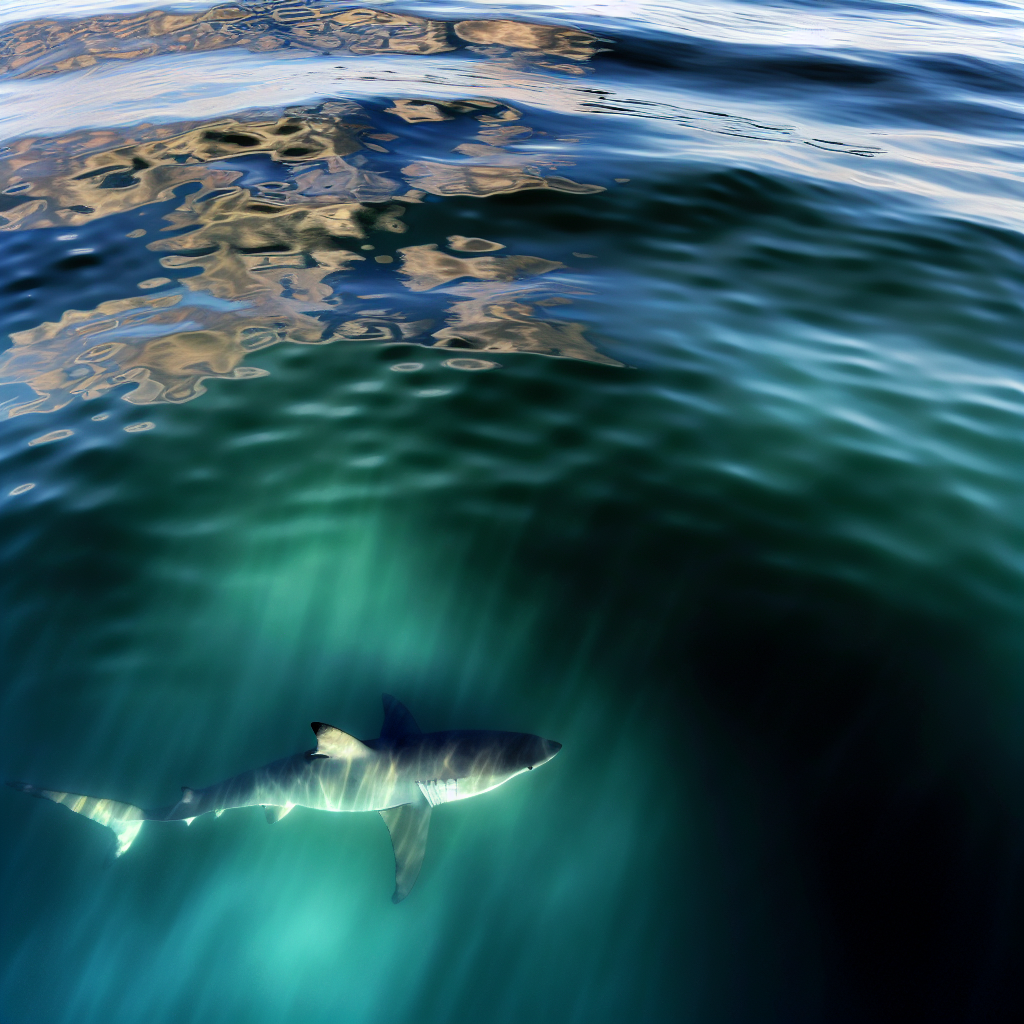
Great White Shark Outer Banks: Myth, Mystery & Marine Giants
The great white shark Outer Banks connection is more than just a thrilling tale — it’s a fascinating part of the region’s natural ecosystem. Stretching over 200 miles of coastal charm, North Carolina’s Outer Banks are famed for lighthouses, wild horses, sandy dunes, and, surprisingly, occasional shark visitors. The prospect of great white sharks in these Atlantic waters sparks intrigue among vacationers, especially those with a love for marine life or a thirst for adventure.
But how often do these legendary predators appear, and what should visitors expect? Read on for data-backed insights, safety tips, and eco-friendly adventure ideas that blend science, excitement, and family fun — all through the lens of the great white shark in the Outer Banks.
Yes, Great White Sharks Visit the Outer Banks — Here’s Why
Yes, great white sharks are present in the waters off the Outer Banks, though typically far offshore. These apex predators aren’t permanent residents, but rather seasonal travelers on defined migratory routes. The coastal waters of the Outer Banks act as a marine corridor between colder northern seas and southern spawning zones.
Their appearances peak between December and March, when ocean temperatures range from the high 50s to low 60s Fahrenheit — ideal for large pelagic sharks. During these winter months, great whites often cruise through deep water channels near Cape Hatteras, Oregon Inlet, and even just beyond Nags Head.
OCEARCH, a global shark tracking nonprofit, provides proof of their presence. Tagged individuals, such as “Breton,” an 11-foot male great white, have pinged just miles off Hatteras Island. These pings provide valuable data and confirm that, yes, the great white shark Outer Banks sightings are real — even if rare for casual beachgoers.
Ocean Safety Tips: Coexisting With Coastal Predators
Despite their fearsome reputation, great white sharks pose minimal risk to humans along the Outer Banks. Most remain offshore in deep waters. Still, understanding marine behavior helps ensure an informed, safe ocean experience — especially for swimmers, surfers, and kayakers.
- Choose beaches with lifeguards: Areas like Nags Head, Kill Devil Hills, and Avon offer seasonal lifeguard stations. These locations enhance safety and response readiness.
- Avoid swimming at dawn or dusk: Predatory marine life is more active during low-light conditions. Mid-morning to early afternoon is ideal for water activities.
- Leave the bling at home: Shiny jewelry may resemble fish scales and could attract curious marine animals.
- Stay in groups: Sharks are less likely to approach large clusters of people. Solo swimmers are more vulnerable.
- Be aware, not afraid: Dan Wilkins, a seasoned guide from Outer Banks Kayak Adventures, reminds visitors, “If you spot a great white fin offshore, consider it a once-in-a-lifetime marine moment.”
These tips can help you enjoy the Outer Banks’ inviting waters while respecting the hidden wildlife that calls them home.
Great White Shark Outer Banks Hotspots to Know
Though spotting a great white shark is a rare event, knowing where and when these giants might appear can enhance your visit. Certain OBX locations increase your odds — and your understanding — of seasonal shark movement.
Cape Hatteras is one of the most likely places for deep-sea sightings. Known for dynamic currents and nearby drop-offs, this area attracts not only sharks but also a variety of migratory whales and fish. Charter captains from Hatteras Village and Wanchese sometimes report sightings during offshore fishing trips in winter months.
Outer Banks Diving and Roanoke Island Outfitters offer wreck diving expeditions, where deep-water species are occasionally spotted. While coming face-to-face with a great white underwater is exceedingly rare, the experience of diving their habitat still brings excitement.
For a guaranteed up-close (but safe) interaction with local shark species, visit the North Carolina Aquarium on Roanoke Island. Kids and adults can explore interactive exhibits featuring sand tiger sharks, rays, and education on shark conservation. Though no great whites are housed here, it’s a great way to learn about shark biology and their roles in the OBX marine ecosystem.
Tracking great whites remotely is another fun and educational activity. Use the OCEARCH tracker during your stay. If a tagged shark pings near Corolla, Duck, or Kitty Hawk, it’s a coastal thrill without the risk — and a fantastic dinnertime talking point.
Marine Education & Eco-Tours: For the Curious and Conservation-Minded
If the idea of sharing the sea with great whites excites you, dive deeper into marine ecology with OBX’s array of educational and eco-conscious tours. These programs spotlight the ocean’s food chain and the essential role great white sharks play along the Atlantic coast.
At the Outer Banks Center for Wildlife Education in Corolla, enjoy family-friendly workshops on coastal ecosystems. You’ll walk away with a better understanding of how even rare species like the great white shark help balance marine life in the Outer Banks.
Jennette’s Pier in Nags Head is another educational gem. Staffed by marine biologists, the pier hosts ocean science camps, fish-tagging lessons, and storytelling focused on shark behavior and preservation. It’s a perfect spot for kids and adults alike to learn hands-on.
Ready for the wild? Book a nature tour with companies like Coastal Kayak Touring Co. or Kitty Hawk Kites. These outfitters prioritize conservation, offering small-group excursions through protected waterways like the Alligator River National Wildlife Refuge. While direct shark sightings are unlikely, you’ll leave with a deeper respect for the delicate balance of local ecosystems.
Family-Friendly Shark-Themed Outer Banks Adventures
For families visiting the Outer Banks, let your curiosity about sharks spark educational and memorable adventures — without ever needing to get wet. Across the OBX, you’ll find shark-themed activities that are fun, safe, and rooted in learning.
Begin your marine journey at the Graveyard of the Atlantic Museum in Hatteras. Its exhibits cover shipwrecks, sea myths, and yes — the mysterious presence of sharks through history in OBX waters.
Next, book a dolphin tour with Captain Johnny’s Outer Banks Dolphin Tours. These excursions explore migratory patterns and oceanic overlap between dolphins, sharks, and other large marine animals. It’s eye-opening to learn how multiple species safely share the same habitat.
Cap off your day at Jockey’s Ridge State Park, where a “Marine Biologist Scavenger Hunt” among the dunes will keep kids entertained while teaching lessons on tides, wildlife, and oceanography. Finally, slow things down with a sunset walk along Duck Boardwalk. The area offers marsh views, local wildlife, and signs educating guests on OBX marine residents — from crabs to sharks.
Why Great White Shark Outer Banks Sightings Add to the Wonder
Discovering that the great white shark visits the Outer Banks adds depth to an already magical destination. These creatures, seldom seen but awe-inspiring, remind us that OBX isn’t just scenic — it’s wild. The occasional appearance of a great white means local waters are thriving, supporting a complex and vibrant food web.
From tracking their movements online to learning about their purpose in marine ecosystems, there are countless ways to safely appreciate these ocean giants. Visitors need not worry; their time on OBX beaches remains carefree and enjoyable. Instead, marvel at the knowledge that these predators roam far offshore — vital, mysterious, and part of what makes the Outer Banks one of the richest coastal environments in the Atlantic.
So whether you’re beachcombing in Corolla, stargazing from Ocracoke, or kayaking through soundside marshes, keep an eye on the horizon. Somewhere out there, a great white shark might just be migrating past — another powerful piece of the Outer Banks’ living story.
Share This Page